
Essex’s food and drink scene has been growing steadily, with independent cafés opening in Colchester and Chelmsford, seafront chip shops doing brisk trade in Southend, and new restaurants appearing across the county each year. With that growth comes a familiar by-product: used cooking oil, and lots of it. For many business owners, working out what to do with it barely makes the to-do list, yet it’s one of those areas where getting things right pays off quickly.
That’s where waste oil collection comes in. It sounds like a minor operational detail, but for Essex businesses it’s quietly become one of the easiest ways to tidy up compliance, avoid costly mistakes and pick up a small sustainability win, all without much effort.
A county with an appetite for good food
Essex has no shortage of places to eat: traditional seafront chippies along the coast, and a wave of newer independent restaurants and cafés in towns like Colchester, Brentwood and Chelmsford. Every one of these kitchens produces used cooking oil as a matter of course, and as the county’s food scene continues to grow, so does the total amount of oil that needs dealing with properly.
Essex isn’t immune to the blocked drain issues that make headlines elsewhere. Anglian Water, which covers much of the county, deals with thousands of sewer blockages every year, many caused by fat, oil and grease poured down kitchen sinks.
For a business, a blockage traced back to its premises can mean anything from an unpleasant smell to a hefty bill, and it’s almost always avoidable.
A compliance box that’s easy to tick
Every business that produces used cooking oil has a legal duty to make sure it’s collected by a registered waste carrier, with records to show where it’s gone if anyone ever asks. For a lot of smaller Essex businesses, this is either missing entirely or handled informally, which can become a problem if a council or environment agency ever follows up. Arranging waste oil collection properly takes very little time once it’s set up.
Turning waste oil into something useful
Here’s the part that often surprises people: used cooking oil doesn’t have to be a cost at all. In fact, businesses actually get paid for their used cooking oil. Once collected, it can also be processed into biodiesel, giving it a genuine second life rather than ending up as waste.
Providers such as Quatra collect oil from commercial kitchens across the UK, often free of charge, which means Essex businesses can tick the compliance box and support recycling at the same time, without paying extra for the privilege.
Waste oil collection is easier than you’d think
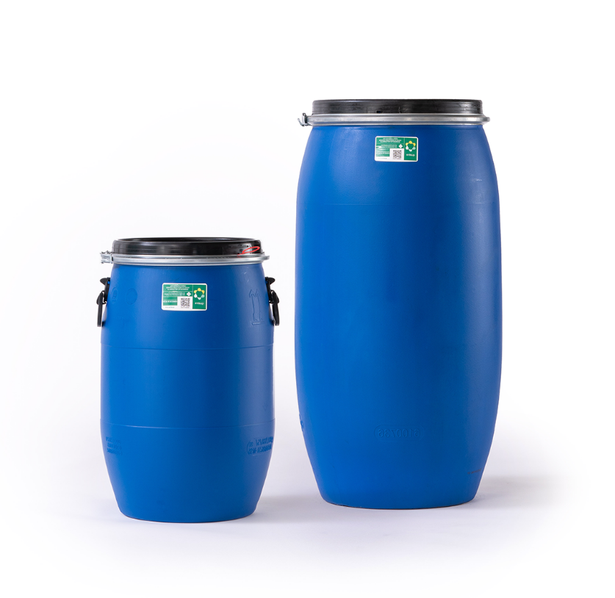
For most Essex businesses, setting up waste oil collection is a quick, one-off job. A container is provided, oil goes in once it’s cooled, and it’s swapped for an empty one on a regular schedule. After that, it’s simply part of the routine.
For a county with as many kitchens as Essex has, that’s a small change that adds up. It costs nothing, ticks the compliance box, and means one less thing for any business owner to worry about.