
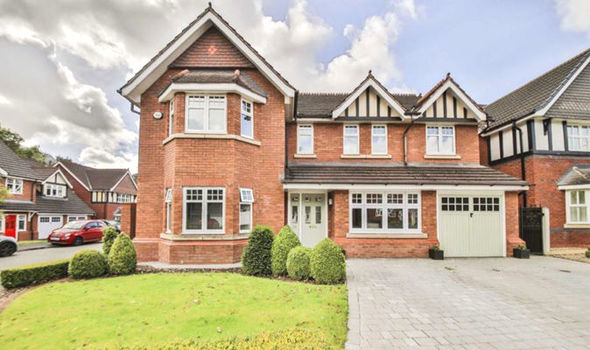
New analysis by Zoopla shows the gap between house and flat prices across the UK is the widest it has been in 30 years – since records began.
The average price of a house is up 43% since 2016 across the UK, but flats have increased by just 10% over the same period. As such, the average house in the UK now costs 1.7 times the price of a typical flat, up from 1.3 times a decade ago.
Across the UK, the average flat costs £193,000, vs £327,000 for a house. Outside London the gap is even wider – a house now costs 2.3 times the price of a flat, up from 1.8 times in 2016.
In Scotland, where the long leasehold system does not apply, the ratio has barely changed in a decade – the flats market operates much like the market for houses. Flat owners hold the freehold of their property, the same house to flat price ratio stands at 1.9 times — almost identical to its level in 2016 (1.8x) and barely changed in 30 years.
Figure 1 – the gap between flats and house widest for 30 years and largest in W Mids
THE COST OF LEASEHOLD IN ENGLAND
Four in five flats listed for sale in England are leasehold. Zoopla analysis of leasehold listings shows the typical leaseholder pays £200 a year in ground rent and £1,900 a year in service charges – a combined £2,100 a year**. It is important to note that freehold home owners also pay for insurance and repairs, but manage those costs directly and independently. Scottish flat owners also share the cost of common repairs but there is no annual ground rent or a lease with a diminishing number of years as is the case in England.
The growing gap between the price of a house and flat goes beyond what these running costs alone can explain. Affordability also plays a role. The flat-house price gap is widest in the Midlands and Northern regions, where houses are affordable enough that many first time buyers skip flats entirely. Zoopla data shows that over 50% of first time buyers outside London want to buy a 3 bed house. In the West Midlands a house costs 2.5 times a flat, the highest ratio of any English region.
In London the ratio is lower at 1.9 times. House prices are much higher meaning flats remain the only realistic route to property ownership for most buyers – seven in ten London first-time buyers are actively looking for a flat*. This supports demand and keeps the house-flat ratio more in check.
Table 1 – Average flat and house prices by region — 2026
House-to-flat price ratio and change since 2016 · Zoopla House Price Index · April 2026
Region
Avg flat
price
Avg house
price
Ratio
2026
Ratio
2016
Average price diff.
South of England
London
£416,000
£809,000
1.9×
1.5×
£393,000
South East
£207,000
£480,000
2.3×
1.9×
£273,000
Eastern
£186,000
£396,000
2.1×
1.7×
£210,000
South West
£174,000
£368,000
2.1×
1.7×
£194,000
Midlands, North & Wales
West Midlands
£120,000
£296,000
2.5×
1.8×
£176,000
East Midlands
£113,000
£264,000
2.3×
1.8×
£151,000
North West
£120,000
£273,000
2.3×
1.8×
£153,000
Yorkshire & Humber
£104,000
£250,000
2.4×
1.9×
£146,000
North East
£86,000
£202,000
2.3×
1.9×
£116,000
Wales
£116,000
£248,000
2.1×
1.6×
£132,000
United Kingdom
£193,000
£327,000
1.7×
1.3×
£134,000
No long leasehold system
Scotland
£118,000
£223,000
1.9×
1.8×
£105,000
Source: Zoopla House Price Index. Annual data April 2026.
TIME TO SELL TELLS THE SAME STORY
In Scotland the median time to sell a flat is just 15 days – the same as a house, a trend that has been broadly consistent for the last five years. Outside London, in England and Wales, flats take 42 days to sell, 9 days longer than houses in the same market.
In London it is 45 days for a flat versus 37 days for a house, a gap of 8 days. Buyer hesitation around buying flats in England, due to greater complexity and increased uncertainty, is consistent across the country, and it shows in both price changes and the speed of sale.
Table 2 – Average flat and house time to sell by region — March-May 2026
Where homes on the market for less than 6 months
Houses
Flats
Difference
Scotland
15
15
0
North East
28
29
1
North West
29
40
11
West Midlands
32
41
9
Yorkshire and The Humber
31
42
11
South West
34
43
9
East of England
36
43
7
Wales
33
45
12
London
37
45
8
East Midlands
36
47
11
South East
37
49
12
United Kingdom
32
40
8
NAVIGATING THE MARKET
Uncertainty around buying flats is clearly impacting the market, but not all flats face the same challenges and the leasehold system is undergoing significant reforms. Ground rents have already been banned on new leases. In January 2026 the Government published a draft Commonhold and Leasehold Reform Bill – confirmed in the King’s Speech in May – which proposes to cap existing ground rents at £250 a year, ban the sale of new leasehold flats and make commonhold the default tenure for new-build flats. The Bill is expected to be introduced to Parliament in autumn 2026, with Royal Assent targeted for 2027.
Zoopla’s analysis shows average leasehold running costs range from 0.7% to 1.3% of property value a year – and that range matters, because lenders typically scrutinise properties where costs exceed 1% of value. Lender criteria vary and some will scrutinise properties more closely, especially in lower-value northern markets or where service charge and ground rent costs are high. The challenge is real for some properties but the market is not uniformly problematic.
The four things that matter most when buying a flat:
Lease length. Around a fifth of leasehold listings have a lease of less than 100 years remaining. Leaseholders have the statutory right to extend their lease at a cost which rises quickly once a lease drops below 80 years. The Leasehold and Freehold Reform Act 2024 proposes to abolish this cost but this has not yet come into force. For any lease below 85 years get a legal quote on extension costs before exchange — and take specialist advice on whether to extend now or wait for reform.
Service charge history. Ask for three years of accounts. The trajectory matters as much as the current level and how the property is managed.
Ground rent terms. Fixed below £250 a year is manageable – two thirds of leasehold listings have ground rents below this level. Escalating or doubling clauses are a red flag for lenders. Proposed reforms will cap existing ground rents.
Building safety. For buildings over 11 metres, check whether EWS1 certification is in place and whether Building Safety Act costs are already budgeted.
Richard Donnell, Executive Director at Zoopla comments: “The gap between house and flat prices has never been wider, and for buyers who are prepared to do their homework, that presents an opportunity. For many, flats remain the main route into home ownership, particularly in London and the South East where the cost of buying a house is higher.
Buying a leasehold flat is more complex than buying a house – lease length, service charges and ground rent terms all matter and vary significantly from one property to the next. This complexity is not the same as risk, and the leasehold system is being actively reformed. Buyers who invest time to research and understand the system and get support can take advantage of the gap between flat and house prices. A well-managed building with a long lease and stable service charges is a very different proposition from a property with less clarity on service charges and a short lease.”