
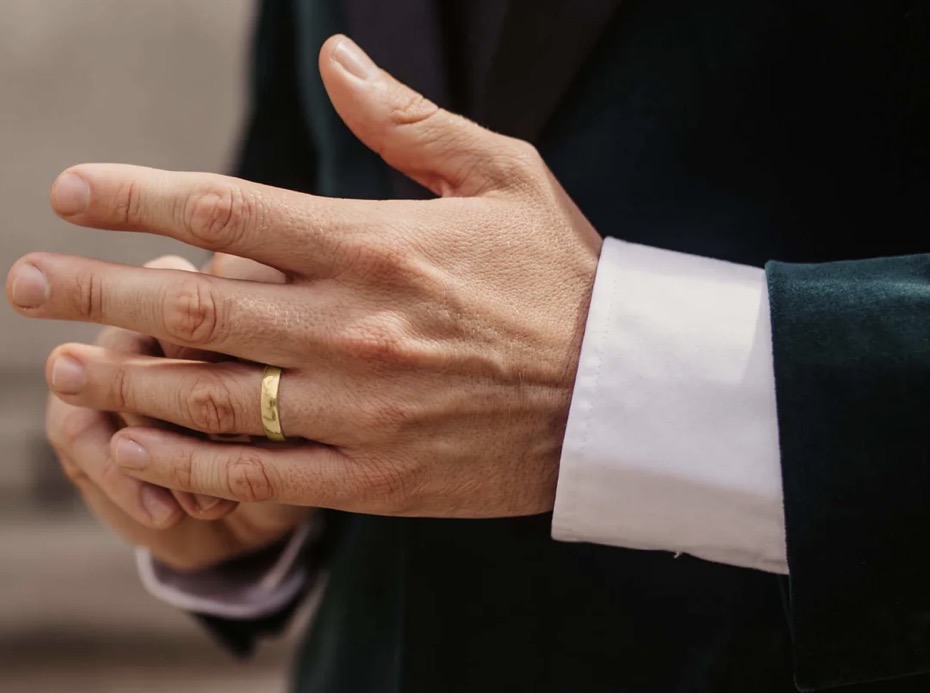
For generations, wedding jewellery was often viewed as something designed primarily for women. Engagement rings carried elaborate gemstones, intricate settings and long traditions of symbolism. Men’s rings, by contrast, were once considered simple and practical.
Over time that perception has changed dramatically. Today mens wedding bands are increasingly recognised as meaningful pieces of jewellery in their own right. Rather than being an afterthought, they have become an important expression of personal style, identity and commitment.
While the symbolism of a wedding ring remains constant, the ways in which men approach this jewellery have evolved. Materials, textures and design approaches now reflect broader shifts in fashion, lifestyle and attitudes toward marriage.
Understanding how men’s wedding bands have developed over time reveals how a simple ring can carry both tradition and individuality.
The Historical Simplicity of Men’s Rings
Historically, men’s wedding rings were straightforward. A plain gold band was considered the standard choice for much of the twentieth century. These rings were often selected for durability and subtlety rather than visual impact.
The tradition itself did not become widespread until the early twentieth century. During the Second World War, many soldiers began wearing wedding bands as reminders of their partners at home. This practice helped normalise the idea of men wearing rings as symbols of marriage.
For decades afterward, the typical design remained minimal. A simple gold band was seen as timeless, practical and appropriate for everyday wear.
Yet as jewellery design expanded and personal style became more individualised, men began exploring broader options.
Modern Interpretations of the Wedding Band
Contemporary men’s wedding bands often move beyond the traditional plain band. Designers now experiment with different finishes, metals and textures to create rings that feel more distinctive.
Brushed or matte finishes introduce subtle contrast compared with polished metal. Hammered textures give the ring a handcrafted appearance. Some designs include narrow grooves or milgrain details along the edges.
These variations allow the ring to remain understated while still reflecting personal taste.
Importantly, the symbolism of the ring remains unchanged. Even as the design evolves, the circular shape continues to represent continuity and lifelong commitment.
Metal Choices and Their Influence
Metal selection plays a major role in shaping the character of a wedding band. Yellow gold remains a classic choice and carries strong historical associations with marriage.
White gold and platinum offer cooler tones that feel contemporary and refined. These metals tend to complement modern jewellery aesthetics while maintaining durability.
Some men also choose rose gold, which introduces a warm tone that feels both vintage and modern at the same time.
Beyond traditional precious metals, newer materials such as titanium and tungsten have appeared in wedding bands as well. These metals appeal to those seeking lightweight strength and contemporary styling.
Each material influences how the ring feels, both visually and physically.
Balancing Comfort and Durability
Wedding bands are designed for daily wear, which means comfort and durability are essential considerations. Many rings now incorporate comfort fit interiors that create a slightly rounded inner surface.
This design allows the ring to slide more easily over the finger and sit comfortably throughout the day.
Durability is equally important. Precious metals like gold and platinum are strong enough for everyday wear while remaining workable for future resizing if needed.
Because wedding bands are intended to last a lifetime, thoughtful craftsmanship becomes crucial.
The Symbolism Behind the Design
Despite the variety of styles now available, the meaning behind men’s wedding bands remains consistent. The circular shape of the ring symbolises eternity. With no beginning and no end, the ring represents a lifelong bond.
Many couples find meaning in selecting rings that reflect their shared values. Some prefer matching metals or coordinated design details. Others intentionally choose rings that differ in style but share subtle elements.
In both cases, the rings become reminders of the relationship itself.
Why Men’s Wedding Bands Matter More Today
In modern weddings, jewellery is often seen as an opportunity for self expression. Men increasingly approach their wedding rings with the same level of thought once reserved for engagement rings.
Rather than selecting the simplest option available, many people now consider how the ring fits within their everyday style.
Some choose minimalist designs that blend seamlessly with daily wear. Others select rings with texture or detail that stand out slightly.
These choices reflect a broader cultural shift in how jewellery is perceived.
A Symbol That Remains Constant
Even as materials and design preferences change, the essential role of the wedding band remains the same. It is a visible symbol of partnership and commitment.
Men’s wedding bands demonstrate how jewellery traditions can evolve while preserving their deeper meaning.
What began as a simple gold circle has grown into a wide range of styles and interpretations. Yet the symbolism of the ring remains timeless.
The design may vary, but the message stays the same.