
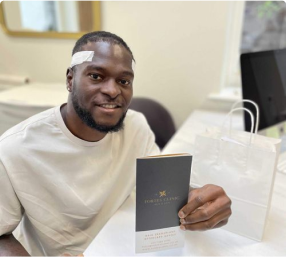
Hair loss affects more than just how someone looks; it can also impact how they feel, interact, and carry themselves daily. For many, the emotional effect is significant. Whether caused by age, stress, genetics, or health issues, losing hair can feel like losing a part of one’s identity. This is particularly true for those who associate a full head of hair with youth, vitality, or professional image.
While each individual experiences hair loss differently, the need for confidence and reassurance is universal. The good news is that practical and effective solutions are now widely available, and they’re helping many regain not just hair, but also self-belief.
The Emotional Toll of Hair Loss
Hair loss is often accompanied by changes in self-esteem. People may begin to feel less attractive, less youthful, or even less competent in professional situations. These feelings are not uncommon and can lead to increased self-consciousness and social withdrawal.
Many individuals start researching solutions when their hairline changes, thinning becomes visible, or they feel like they’re losing control of their appearance. During this early stage, consulting a reputable professional can help clarify the causes and next steps. Clinics such as the Fortes Clinic in London are known for helping individuals navigate their treatment options while offering support tailored to personal goals.
Understanding that others are experiencing similar challenges can also ease the emotional burden. Emotional acceptance may take time, but recognising the impact is the first step toward recovery and confidence.
Understanding the Options for Restoration
When the desire for change leads to action, one of the most effective paths is exploring medical hair restoration treatments. Options such as Follicular Unit Extraction (FUE) or Follicular Unit Transplantation (FUT) are increasingly accessible. Each method is designed to move healthy follicles from areas of strong growth to thinning or balding sections of the scalp.
The popularity of these techniques has grown steadily, with many individuals now considering a hair transplant in London due to the concentration of high-quality clinics and skilled practitioners. Whether for cosmetic, personal, or professional reasons, choosing a clinic with proven experience and a clear consultation process is critical to achieving a successful outcome.
While hair transplants offer long-term results, they aren’t instant fixes. Candidates should be aware of the recovery process and be prepared to follow proper aftercare routines. Understanding this journey from the start can help maintain realistic expectations and encourage a more positive experience overall.
Recovery and Visible Progress
The healing journey after a hair transplant unfolds over several months. Initially, there may be swelling or sensitivity, which typically subsides in a few days. During the early weeks, some of the transplanted hairs naturally shed, a normal part of the regrowth cycle.
New hair begins to grow a few months after the procedure. This growth can be gradual, but with time and care, individuals begin to see noticeable improvements. These visible results contribute significantly to renewed self-esteem, especially as thicker, healthier strands take shape.
Progress might seem slow at first, but over time, the transformation becomes more apparent. Many clinics offer tools and check-ins to help patients monitor their progress and stay encouraged during the regrowth period.
Supporting Confidence Mentally and Emotionally
A physical change, such as a fuller hairline, can spark internal shifts too. Alongside medical treatments, psychological support often helps individuals rebuild their confidence more fully. It can be useful to challenge old beliefs about appearance or to explore how image affects one’s sense of identity.
Self-care practices such as mindfulness, journaling, or simply spending time with supportive people can promote a more balanced perspective. As hair begins to grow, these routines help reinforce emotional strength and resilience.
Some people also explore styling options during the regrowth phase. Working with a stylist experienced in post-transplant hair can help boost confidence during transition periods. Subtle changes such as shorter cuts, volume-boosting products, or strategic shaping can make a big difference in how people feel day to day.
Social and Professional Transformation
Hair restoration often creates a ripple effect that reaches far beyond the mirror. People who once avoided social events may begin accepting invitations again. In the workplace, confidence in appearance can lead to more assertiveness, increased presence, or a more relaxed approach in client-facing roles.
What starts as a cosmetic concern frequently develops into a wider journey of self-discovery. Feeling more in control of one’s appearance often gives way to feeling more in control generally. Individuals may find themselves reconnecting with aspects of their life they had avoided due to insecurity.
As the hair continues to fill in, the sense of transformation grows. It becomes less about achieving perfection and more about appreciating progress, reconnecting with identity, and enjoying everyday moments with greater self-assurance.
Building a Lasting Support System
Recovering from the emotional effects of hair loss is easier with the right support network. Whether through family, close friends, or support groups, being able to talk openly reduces feelings of isolation. Many individuals find that simply being heard helps alleviate emotional strain.
In some cases, counselling or therapy with a focus on body image and self-worth may also be beneficial. Licensed therapists can provide coping strategies for handling emotional setbacks or rebuilding inner confidence alongside physical changes.
Outside of clinical support, others find value in online forums or local meetups. These offer spaces to share tips, celebrate milestones, and learn from others going through similar experiences. Hearing stories of growth and resilience can be especially motivating during the early stages of recovery.
Embracing the Full Journey
Hair restoration is a process that blends physical change with emotional renewal. Everyone’s journey looks different. Some may seek subtle improvements. Others may desire a complete transformation. Regardless of the goal, the path includes learning more about yourself and what confidence means to you personally.
There’s power in deciding to address a concern that once felt overwhelming. By seeking treatment, embracing the recovery process, and nurturing emotional wellbeing, many people discover a deeper and more lasting form of self-confidence.