
Carpets rarely become a problem overnight. It happens slowly. First, they just don’t look as fresh. Then vacuuming stops helping the way it used to. At some point, you notice a smell, or the texture feels off when you walk across the room.
Most of what causes that sits below the surface. Regular cleaning only deals with what’s on top. Everything else stays inside the fibers and builds up over time.
Deep cleaning is what actually deals with that layer. It’s not something you need every week, but when it’s done properly, the difference is hard to miss. The room feels cleaner, the carpet softens up again, and the air changes a bit, too.
This isn’t about doing everything perfectly. It’s more about understanding what works and not making things worse in the process.
Why Deep Carpet Cleaning Matters
Carpets pick up a lot just from daily use. Even in a clean home, dust gets in. Shoes bring in small bits of dirt. If there are pets, that adds another layer. Over time, it all settles deeper.
What usually happens:
- Fine dirt works its way into the fibers and stays there long after vacuuming
- Dust and pollen build up and don’t really leave the room
- A light smell appears, not strong at first, but noticeable after a while
- The carpet starts to feel uneven, especially where people walk often
- The color looks a bit faded, even if there are no obvious stains
None of this looks dramatic on day one. It’s gradual. That’s why it’s easy to ignore until it gets obvious.
A deep clean doesn’t just “refresh” the carpet. It clears out what has been sitting inside for months.
How Often Should You Deep Clean Carpets
There’s no fixed answer here. It depends on how the space is used.
In a quieter home, once or twice a year usually keeps things under control. If there’s more activity, pets, kids, and guests coming and going, then it makes sense to do it more often.
Some rooms need it sooner than others. Hallways and living rooms wear out faster. Bedrooms tend to stay in better shape.
A simple way to look at it is this. If vacuuming no longer changes much, it’s probably time.
Signs Your Carpet Needs Deep Cleaning
It’s not always obvious, but there are a few things that tend to show up:
- A smell that doesn’t really go away, even after cleaning
- Marks or stains that have been there for a while and don’t fade
- More dust in the air than usual
- The surface feels slightly sticky or just not as soft
- The carpet looks dull, especially in natural light
Usually, it’s a mix of these, not just one.
Deep Carpet Cleaning Methods Explained
There isn’t just one way to do this. Some methods go deeper, others are quicker but lighter.
1. Hot Water Extraction
This is the one most people rely on when they want a proper clean.
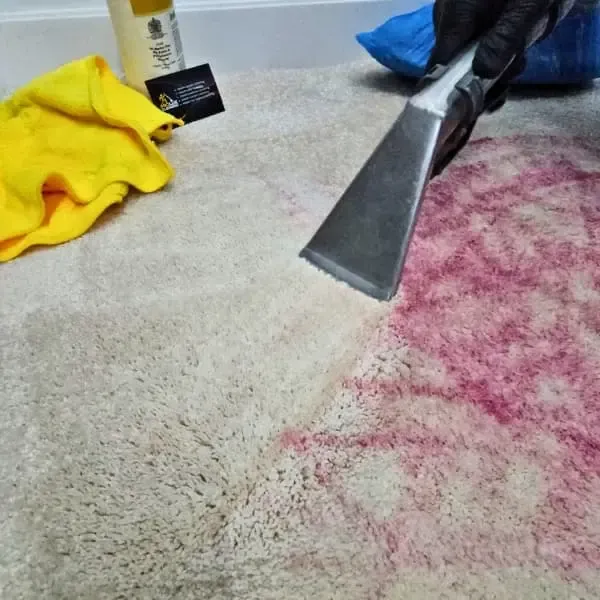
Hot water with a cleaning solution goes into the carpet and is then pulled back out. Along with it comes the dirt that’s been sitting inside the fibers.
It takes longer to dry, which is something to keep in mind. But if the carpet hasn’t been cleaned in a while, this is usually the method that makes the biggest difference.
2. Dry Carpet Cleaning
This one is simpler and faster. A dry compound is spread over the carpet, worked in a bit, and then vacuumed out. It lifts surface dirt and some of what’s just below it.
It’s useful when you don’t want to deal with drying time or when the carpet isn’t heavily soiled.
3. Shampooing
This method is still around, though not as common as it used to be.
A foamy cleaner is applied and brushed into the carpet. After it dries, the residue is removed. It can improve how the carpet looks, but if too much product stays behind, it can attract dirt again. So it works, but it needs a bit of care.
4. Natural Cleaning Solutions
For smaller jobs, people often use what they already have at home.
- Baking soda can help with mild odors
- Vinegar mixed with water is sometimes used on light stains
- Warm water works for basic surface cleaning
These are fine for maintenance or quick fixes. They don’t replace a full deep clean.
Step-by-Step Guide to Deep Cleaning Your Carpet
It’s easier when you follow a simple order.
Step 1: Clear the Area
Move things out of the way. Even small items can leave patches if you clean around them.
Step 2: Vacuum Thoroughly
This part matters more than it seems. If loose dirt stays, it turns into mud once moisture is added.
Step 3: Pre-Treat Stains
Work on visible spots first. Let the cleaner sit a bit so it can break things down.
Step 4: Choose Your Cleaning Method
Pick what fits your situation. A machine goes deeper, lighter methods work for smaller areas.
Step 5: Clean in Sections
Go slowly. Overlapping your passes slightly helps avoid uneven lines.
Step 6: Allow Proper Drying
Let the carpet dry fully. Opening windows helps. Walking on it too early can flatten the fibers again.
Step 7: Final Vacuum
Once everything is dry, go over it again. It lifts the carpet and removes what’s left behind.
Common Carpet Cleaning Mistakes to Avoid
Some mistakes don’t show right away, but they affect the result:
- Using too much water so the carpet stays damp for too long
- Adding more cleaning solution than needed
- Skipping the first vacuum
- Rushing through the process
- Walking on the carpet before it dries
It’s usually not about doing more, just doing it carefully.
Best Tools for Deep Carpet Cleaning
You don’t need a lot, but the basics should work well:
- A vacuum that actually picks up fine dust, not just visible dirt
- A carpet cleaner or a rented machine for deeper cleaning
- Soft brushes that won’t damage the fibers
- Cloths that absorb moisture properly
- Cleaning products that match the material of your carpet
Even simple tools can do the job if they’re used the right way.
How to Deal with Common Carpet Stains
Not all stains behave the same way.
Pet Stains
They often go deeper than expected. Cleaners that break down organic material tend to work better here.
Coffee and Tea
Best handled quickly. Blotting works better than scrubbing.
Wine
Cold water and quick action help keep it from spreading.
Grease
It’s easier if you absorb the oil first before adding any liquid.
Timing makes a big difference in all of these.
Carpet Care Tips Between Deep Cleanings
You don’t need anything complicated here:
- Vacuum regularly so dirt doesn’t settle deeper
- Use mats near entrances
- Try not to wear shoes inside
- Clean spills when they happen
- Move furniture slightly now and then
These small things keep the carpet in better shape without much effort.
DIY vs Professional Carpet Cleaning
Cleaning your carpet yourself works well for regular upkeep. It’s simple, doesn’t take much planning, and helps keep things in decent condition between deeper cleans.
At the same time, home equipment has its limits. It usually deals with surface dirt, but deeper buildup can stay in the fibers. This becomes more noticeable when the carpet has been used heavily or hasn’t been cleaned properly for a long time.
In those situations, professional cleaning tends to give a more consistent result. Experienced local carpet cleaners use stronger equipment and work with different types of carpets every day, so they’re better equipped to handle more difficult cases.
It usually makes sense to consider professional help when:
- Stains don’t come out even after several attempts
- The smell keeps coming back after cleaning
- The carpet hasn’t been deep-cleaned in a long time
- You’re preparing a property before moving in or out
In cases like these, turning to carpet cleaners often saves time and gives a more reliable result.
How to Maintain Carpet After Deep Cleaning
After a proper clean, things are easier to manage.
- Keep up with regular vacuuming
- Don’t overuse water during quick cleanups
- Use protection if needed in high-traffic areas
- Don’t wait too long before the next deep clean
It’s mostly about not letting things build up again.
That’s About It
Deep cleaning a carpet isn’t complicated, but it does require a bit of patience.
Most of what affects a carpet isn’t visible at first. It builds up slowly. Taking care of it properly changes how the space feels overall. It’s not something people always notice right away, but once it’s done, the difference is there.