
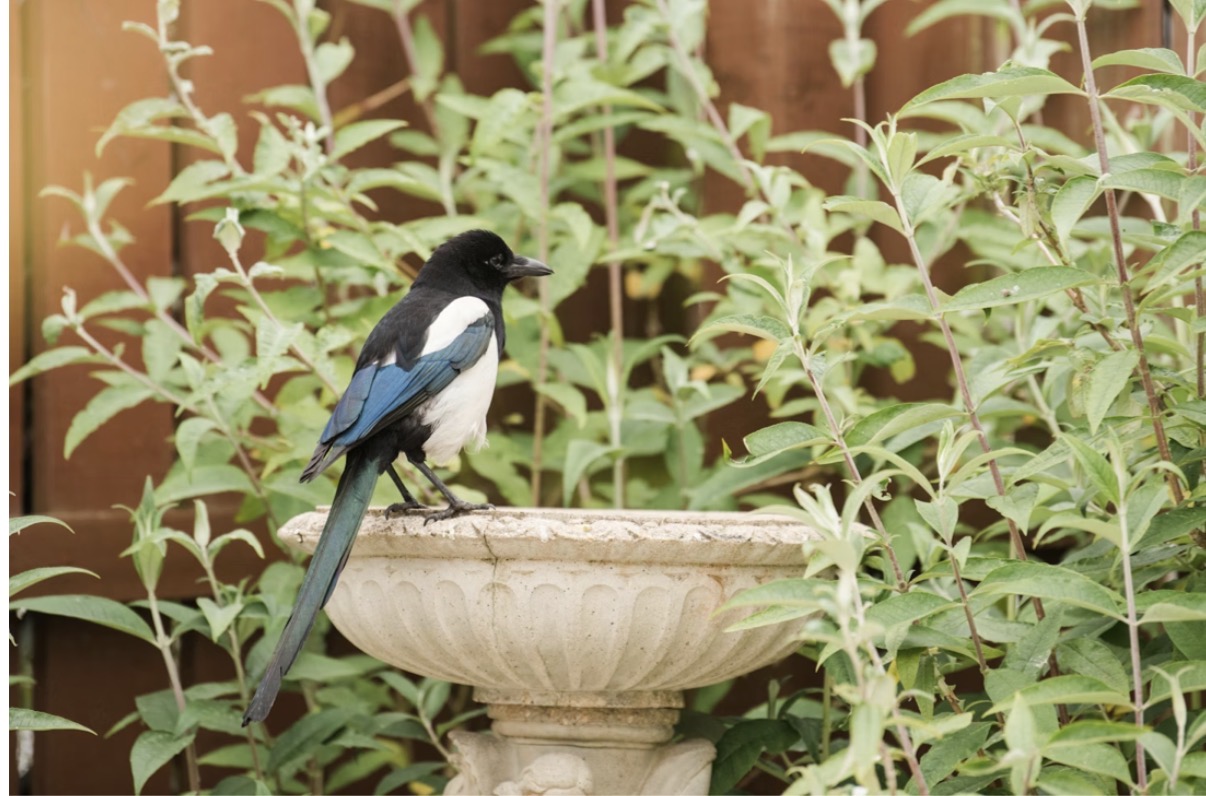
Perfectly trimmed lawns and sharp borders have long been the symbol of a “well-kept” garden. At least, by most modern standards. Yet for many homeowners, something might feel like it’s… missing in your garden.. A garden can look immaculate and still seem lifeless and bland, almost too controlled or designed in a way that you can’t really enjoy to the fullest.
At the same time, the idea of going fully wild feels a bit risky. No one wants a yard that looks neglected or too chaotic. Finding the middle ground can feel confusing at first. In the following sections, we’ll explore how to keep your outdoor space polished while also welcoming wildlife in ways that feel natural, manageable, and genuinely rewarding.
Why a perfectly tidy garden can sometimes feel lifeless
There’s something satisfying about straight lines and freshly cut edges. A neat lawn. Trimmed hedges. Not a stray leaf in sight. It looks professional and managed. Impressive from the patio door so that you can marvel at your handiwork while you sip your morning coffee.
But sometimes that kind of perfection feels a bit flat. There’s no movement to be seen. No buzzing to be heard. No flutter of wings or flashes of colour. It’s just silence. When everything is trimmed back to within an inch of its life, wildlife doesn’t stand much of a chance. No shelter. No food. No reason to visit. And deep down, you might feel it too. The space looks polished, but it doesn’t feel alive.
Letting wildlife in without losing control of your garden
Most people want to strike some kind of balance with their garden. You don’t want your garden to look abandoned. You don’t want neighbours thinking you’ve given up. You don’t want it to turn into a tangle of weeds you feel pressured to “just deal with” later.
That’s where wildlife gardening comes in. It’s controlling how your garden grows so that it’s not quite wild. You still have some rules, but you relax them to let nature take its course, at least to some degree. A small wildflower corner. A hedge left slightly less trimmed. A log pile tucked away for insects.
When you’re deliberate about it, the garden still looks maintained. It just feels a bit softer. More natural. More layered. More welcoming.
Keeping the structure by using the right tools
Structure is what stops wildlife-friendly spaces from looking too messy and chaotic. Defined borders. Clear paths. Lawn edges that are sharp even if the flower beds are a little looser. This is where your weed eater becomes your best friend. You’re not shaving everything down. You’re just keeping the borders and lines clear so the overall look stays neat and tidy.
It’s about contrast. A slightly wild patch framed by crisp edges looks curated, not neglected. The human touch is still there. It just shares the stage with nature instead of overpowering it. That balance helps you feel proud of the space rather than apologetic about it.
Rethinking pest control in a smarter way
One of the biggest fears with a wildlife-friendly garden is pests. You picture aphids everywhere. Slugs devouring everything. The chaos spiralling out of control.
This is where the idea of using AI for pest management starts sounding less far-fetched. Smart monitoring systems can track plant health and detect early signs of infestation. Instead of blanket spraying chemicals, you respond only when needed, and only in the amounts that you need to.
This leads to less guesswork. Less overreaction. You’re not waging war on every insect. You’re managing the ecosystem with a bit more awareness. That means fewer harsh treatments and a healthier overall environment.
Designing for pollinators without sacrificing style
Pollinators don’t demand that you have a messy yard. Instead, they need the right plants. Pollinator-friendly landscaping focuses on nectar-rich flowers, native species, and blooms that stagger across seasons. It can look stunning. Think structured flower beds with deliberate colour palettes that also happen to support bees and other visitors.
And yes, garden butterflies become part of the show too. Instead of feeling like intruders, they become moving features. Little flashes of colour drifting through your space. When planting is thoughtful, you don’t sacrifice aesthetics. You add depth to it.
You can even lean into symmetry and repetition to keep things looking refined. Plant the same nectar-rich varieties in clusters rather than scattering them randomly. Frame softer flowers with low hedges or neat edging so everything feels anchored. Wildlife benefits from dense, consistent planting, and you get a layout that looks deliberate. It’s not wild for the sake of it. It’s curated, yet still alive.
Bringing nature closer to home in subtle and practical ways
There’s a reason biophilic smart home trends are gaining traction. People crave connection to nature, even in small doses. That connection doesn’t stop at the back door. A wildlife-aware garden extends your living space outward. You notice birds more often. You start recognising which flowers attract which insects. You pay attention.
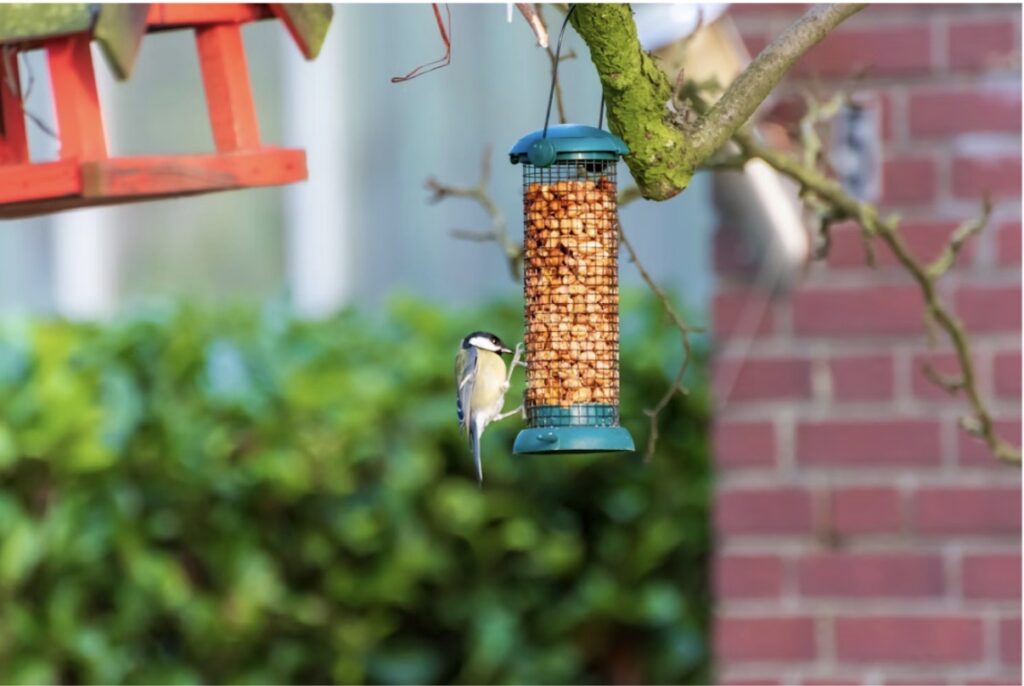
Some people think bringing nature to your home means turning your backyard into a nature reserve. But that’s far from the truth. It’s more about layering in moments of interaction. A bird bath near a seating area. Native shrubs that rustle with activity. These touches make the space feel less like a display and more like a living environment.
Creating a garden that feels finished and alive
The key word here is “finished.” A wildlife-friendly garden doesn’t have to look half-done. It can have clear zones. Seating areas. Defined borders. Trimmed lawns that lead into softer planting. You’re choosing what to polish and what to let breathe. That mix creates interest. Texture. Sound.
Instead of constantly fighting nature or trying to suppress it, you’re shaping it. Guiding it. Allowing it space without surrendering the entire layout to nature. And that’s when a garden stops feeling like a chore and starts feeling like a place you actually want to spend time in.
A polished garden and a wildlife-friendly space don’t have to compete. With thoughtful planting, smart management, and clear structure, you can create a yard that looks maintained while still welcoming nature. The result feels calmer, richer, and far more alive.