
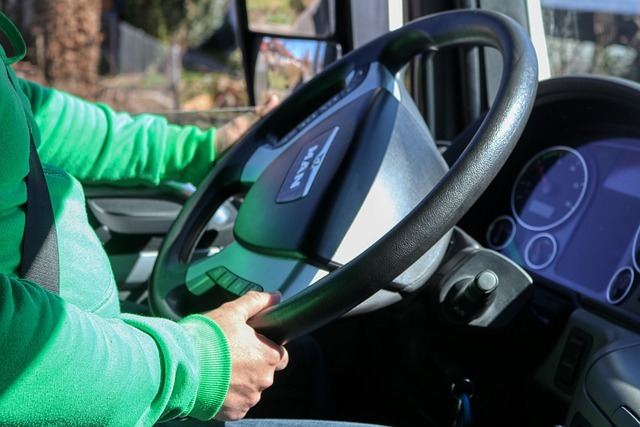
The day your children get behind the wheel for the first time will probably be both thrilling and nerve-wracking. As a parent, you play an important role in shaping the way they approach driving. It’s largely up to you to give them a sense of responsibility.
It’s often the values and habits they learn now that will influence the kind of driver they become in the future.
Set a good example behind the wheel
You can teach your child all the rules of the road, but if your own habits don’t match up, they’ll struggle to take those lessons seriously. They’re always watching when you’re behind the wheel, even if it doesn’t look like it.
If you speed or answer your phone while driving, they’ll likely think it’s acceptable behaviour. On the other hand, if you obey traffic laws, remain calm in difficult situations and prioritise safety, they’ll internalise these behaviours.
Consider sharing your thought process with them, too. For example, explain why you slow down when approaching a pedestrian crossing or why you never drive after drinking. This helps them see driving as more of a responsibility.
Start with the basics early
The earlier you start discussing driving, the better prepared your children should be when they take the wheel. Conversations about road safety don’t need to wait until they’re old enough for their provisional licence.
As soon as they’re in the back seat, you can talk about why seat belts are important or why distractions are dangerous. These early lessons can help make them more aware of the importance of good driving long before they get behind the wheel themselves.
Discuss consequences
Along with the rules, it’s important to have an open discussion about the consequences of poor decisions. Whether it’s a speeding ticket or a collision, help your child understand that the actions they take while driving have lasting consequences– not just for them, but for others too.
If they’re caught breaking the rules, explain how this might affect their young driver insurance premiums or even their ability to drive at all. The financial side of motoring might seem far off, but grounding these concepts in the real world helps them understand the stakes involved. Real-life scenarios like this can have more impact than abstract ‘what if’warnings.
Learn from mistakes
Even the best drivers make mistakes. The key is learning from them. If you or your child has a driving mishap, it’s important to keep the conversation open. Focus on what went wrong, why it happened, and how you or they can avoid it next time. Show them how to assess the situation and use it as a learning opportunity.
Mistakes aren’t the end of the road, just a bump along the way. Encourage reflection and teach your child how to handle the pressure of a mistake. This helps them grow into a more responsible and confident driver. And this mindset will serve them well throughout their driving life.