
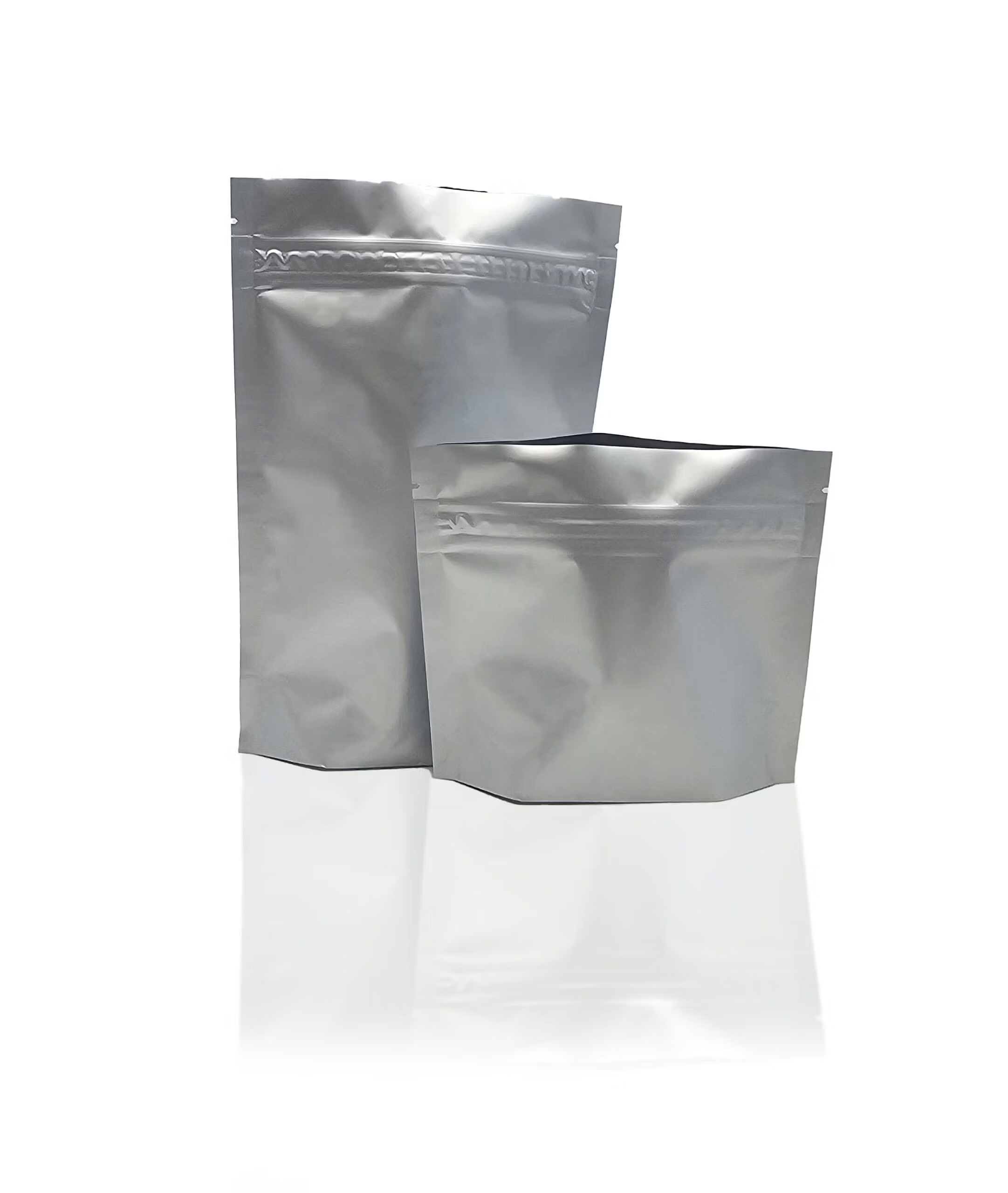
A curious toddler can open a drawer, twist a cap, and swallow a handful of pills in seconds. That sobering reality is exactly why drug safe packaging exists. It’s the quiet hero standing between everyday medicines and the little hands that shouldn’t reach them.
For pharmaceutical manufacturers, supplement brands, cannabis and CBD businesses, and the procurement and compliance teams behind them, getting packaging right isn’t optional. It protects consumers, keeps you compliant, and builds genuine trust in your brand. The good news? Packaging technology has come a long way. Modern designs lock kids out while staying easy enough for the adults who actually need access. Let’s break down what you need to know.
What Is Drug Safe Packaging?
Drug safe packaging is any packaging engineered to prevent accidental access to medicines and potentially harmful substances, especially by children. Think of it as a built-in safety barrier that’s tricky for little ones but manageable for the intended user.
At its core sits child resistant packaging — containers and closures specifically designed to slow down or stop a child from getting inside. The purpose is simple: reduce the risk of accidental ingestion and poisoning.
So how does it differ from standard packaging? Standard packaging focuses on protection, branding, and convenience. Safety-focused packaging adds a deliberate layer of difficulty. A regular screw cap opens with one quick twist. A child resistant cap demands a coordinated action, like pushing down while turning, that small children struggle to perform.
In the pharmaceutical and healthcare industries, this distinction matters enormously. Every bottle, blister, and closure plays a role in keeping vulnerable people safe — and that’s a responsibility worth taking seriously.
Why Child Resistant Packaging Is Essential
Accidental poisonings remain one of the most common household emergencies involving young children. Curious kids explore the world with their mouths, and brightly coloured tablets can look an awful lot like sweets.
Poison control services around the world field huge volumes of calls each year tied to children accessing medicines, vitamins, and other substances. Many of these incidents happen in the home, often within minutes of a product being left unattended. That’s where child resistant packaging earns its keep.
Here’s why it’s non-negotiable:
- It protects households with young children. Even the most careful parent gets distracted. Resistant packaging buys precious time.
- It supports public health initiatives. Governments and safety bodies actively promote child resistant designs to cut poisoning rates.
- It reduces harm at scale. When millions of products carry safe closures, the collective impact on accidental ingestion is significant.
Put simply, this packaging is a frontline defence — and a smart investment in consumer wellbeing.
How Child Resistant Packaging Works
The magic lies in mechanisms that require two simultaneous actions, something young children can’t easily coordinate.
Push-and-turn is the classic. You press the cap down firmly while rotating it. Release the pressure and the cap simply spins without opening. Squeeze-and-turn works similarly, asking the user to squeeze opposing sides before twisting. Both rely on motor skills and strength that toddlers haven’t developed yet.
Other designs include snap-lock closures and pinch-and-pull blister formats. Each one targets the same goal: make access deliberate, not accidental.
But here’s the clever bit — these mechanisms must pass strict testing. Products are evaluated using panels of children and adults. The packaging needs to keep most children out while remaining usable for the majority of adults, including older people with reduced dexterity. That balance between child resistance and adult usability is the holy grail of good design.
If you want help choosing the right format, exploring tailored pharmaceutical packaging solutions and working with regulatory compliance services can take the guesswork out of the process.
Types of Child Resistant Bottles and Containers
There’s no one-size-fits-all answer here. The right format depends on your product, your formulation, and your audience. Let’s look at the main options.
Child Resistant Bottles
Bottles are the workhorses of pharmaceutical packaging. They’re versatile, durable, and available in several materials:
- HDPE (high-density polyethylene): Tough, opaque, and great for moisture-sensitive tablets and capsules.
- PET (polyethylene terephthalate): Clear and lightweight, ideal when product visibility matters.
- Polypropylene: Rigid and chemical-resistant, well suited to liquids and certain formulations.
These bottles handle everything from solid dose tablets and capsules to syrups and liquid medicines. Pairing the right material with the right contents protects both safety and product stability.
Child Resistant Closures
A bottle is only as safe as its cap. Closures do the heavy lifting when it comes to keeping kids out:
- Push-and-turn caps: The most widely used and trusted format.
- Snap-lock mechanisms: Require a specific release motion to open.
- Specialised pharmaceutical closures: Designed for unique needs, such as desiccant-lined caps for moisture control or tamper-evident seals.
Blister Packs
Blister packs offer a different approach to safety. Each dose sits in its own sealed pocket, which means a child has to work through individual units rather than emptying a whole bottle at once.
This format shines for dosage control — patients can see exactly what they’ve taken — and for product protection, since each tablet stays sealed from air and moisture until use. For many medicines, blisters work brilliantly alongside child resistant bottles to cover a full product range.
Regulatory Requirements for Pharmaceutical Packaging
Packaging safety isn’t just good practice — it’s the law. In the UK, child resistant packaging must meet standards aligned with BS EN ISO 8317 for reclosable packaging and related certifications for non-reclosable formats. Internationally, frameworks like the US Poison Prevention Packaging Act set comparable expectations.
What does compliance involve? A few key things:
- Certified testing. Packaging must be tested with child and adult panels to prove it performs.
- Documentation. You’ll need evidence and certification to demonstrate conformity.
- Ongoing standards. Requirements vary by product type and market, so what works in one region may not satisfy another.
The consequences of getting it wrong are steep. Non-compliance can trigger product recalls, regulatory penalties, legal liability, and serious reputational damage. None of those are worth the risk.
Here’s the expert angle worth remembering: regulations don’t stand still. As consumer safety expectations rise and new product categories like cannabis and CBD enter the mainstream, packaging standards keep evolving. Staying ahead means treating compliance as an ongoing commitment, not a one-time box to tick.
Benefits of Using Child Resistant Bottles
Why do so many brands choose child resistant bottles? Because the advantages stack up fast.
- Enhanced consumer safety. The headline benefit — fewer accidental ingestions and safer homes.
- Regulatory compliance. Certified bottles help you meet legal obligations across markets.
- Improved brand trust. Customers and healthcare providers notice when you take safety seriously.
- Product integrity and shelf-life protection. Quality materials shield contents from light, air, and moisture.
- Reduced risk of accidental access. Smart closures keep medicines out of the wrong hands.
That’s a powerful combination of protection, compliance, and credibility — all from a single packaging decision.
Key Considerations When Choosing Drug Safe Packaging
Picking the right packaging is part science, part strategy. Keep these factors front of mind:
- Product type and formulation. Tablets, capsules, liquids, and gels each have different needs.
- User demographics. Will elderly or arthritic users handle the product? Usability matters as much as resistance.
- Material selection. Match the material to your contents for stability and protection.
- Sustainability. Recyclable and reduced-plastic options increasingly influence buyer decisions.
- Manufacturing and supply chain. Consider sourcing, scalability, and lead times before you commit.
- Tamper-evident features. Seals and indicators reassure customers that products haven’t been opened.
Weigh these together rather than in isolation. The best packaging serves safety, compliance, and your commercial goals all at once.
Future Trends in Drug Safe Packaging
Where’s all this heading? Toward smarter, greener, and more user-friendly solutions.
Sustainable materials are leading the charge. Brands are switching to recyclable plastics, bio-based polymers, and reduced-material designs without sacrificing safety.
Smart packaging is another exciting frontier. Think QR codes, sensors, and connected features that track dosage, verify authenticity, and support patient adherence.
We’re also seeing friendlier safety mechanisms — closures that stay tough for children but feel easier for adults, especially those with limited dexterity. And with growing focus on patient adherence and accessibility, packaging is becoming a genuine partner in better health outcomes, not just a barrier.
Final Thoughts
Drug safe packaging does a remarkable job: it protects children, keeps you compliant, and safeguards the quality of what’s inside. From bottle materials to closure mechanisms to evolving regulations, every detail contributes to safer products and stronger consumer trust.
For pharmaceutical, nutraceutical, cannabis, and healthcare brands, investing in high-quality child resistant packaging and child resistant bottles isn’t just a regulatory necessity — it’s a statement about how much you value the people using your products.