
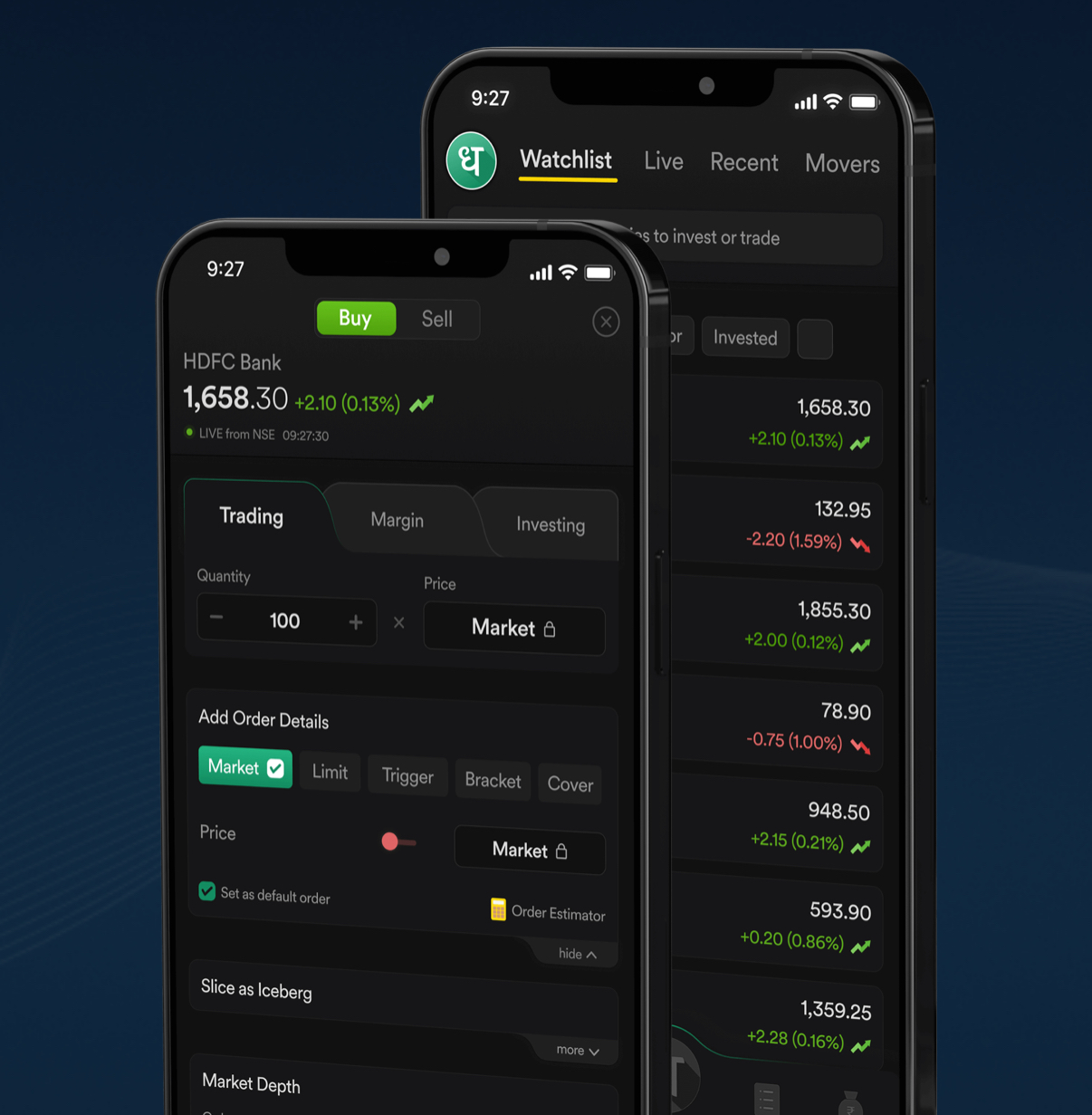
If you have ever thought about trading in the stock market, you might have come across the term margin trading. It allows you to buy more shares than your available cash by borrowing funds from your broker. The idea sounds attractive, after all, it gives you a chance to multiply your profits without waiting to accumulate large savings. But margin trading also introduces leverage, and leverage can cut both ways.
Key Things to Know About Leverage in Margin Trading
Here are a few things that define whether leverage can break you or make you:
Amplified Gains
When using leverage in margin trading, you control a larger position with relatively small capital. That means even a minor price move in your favour can multiply your profit significantly.
For example, a 5% increase in the stock price could give you a 20% return if you trade with 4x leverage. This potential attracts traders who aim for profit in short timeframes. However, the same setup magnifies risks equally if the price goes against you.
Margin Calls
When your leveraged position declines and your account balance dips below the required margin, your broker issues a margin call. You are then required to add funds immediately to maintain the trade.
If you fail to do so, the broker may liquidate your position to cover the exposure. This situation arises because leverage amplifies even small adverse market moves.
Emotional Pressure
Leverage creates great psychological stress because the stakes rise with borrowed capital. You may feel anxious when price fluctuations look exaggerated due to magnified exposure.
This pressure leads to impulsive decisions. You may end up exiting profitable trades too early or holding onto losing positions in the hope of a reversal. To escape this, it is best to stick to the stop-loss and profit-taking strategies and use a margin calculator.
Liquidity Risks
In leveraged positions, you often require quick entry and exit to protect capital. However, if the market is illiquid, your orders may not get filled at the desired prices. Slippage turns into a real threat in highly leveraged trades where even small deviations matter.
For example, a delay of a few ticks in execution can turn a profitable setup into a loss under leverage. A lack of liquidity amplifies this risk because your position size may exceed what the market can absorb without a price impact.
Interest Costs
Leverage means borrowing from your broker. But do you know that this comes with financing costs? You might not be aware, but even leveraged positions accumulate interest, which reduces profitability.
Though these costs may look small initially, but add up significantly over multiple trades. For example, holding a leveraged position in a volatile stock may erode profits even if the trade moves in your favour. Interest expenses vary across brokers and instruments, making it essential for you to use a brokerage calculator to estimate potential costs before committing.
Risk Concentration
Leverage pushes traders to allocate disproportionate capital to a single position. This magnified exposure unknowingly increases concentration risk, where one trade heavily influences overall portfolio performance. A single adverse move can wipe out gains from several previous trades.
Risk concentration also stops you from diversifying adequately, which is a core principle of portfolio safety. You must balance exposure across multiple assets instead of placing large leveraged bets on a single instrument.
Conclusion
Leverage works as a double-edged sword. It can multiply profits when markets move in your favour, but it can also wipe out capital when things go wrong.
For retail traders, the key lesson is simple: leverage should never be treated as a shortcut to wealth. It demands discipline, constant monitoring, and a clear understanding of risks. If you use it, use it wisely and in moderation, and always utilise a brokerage calculator.