
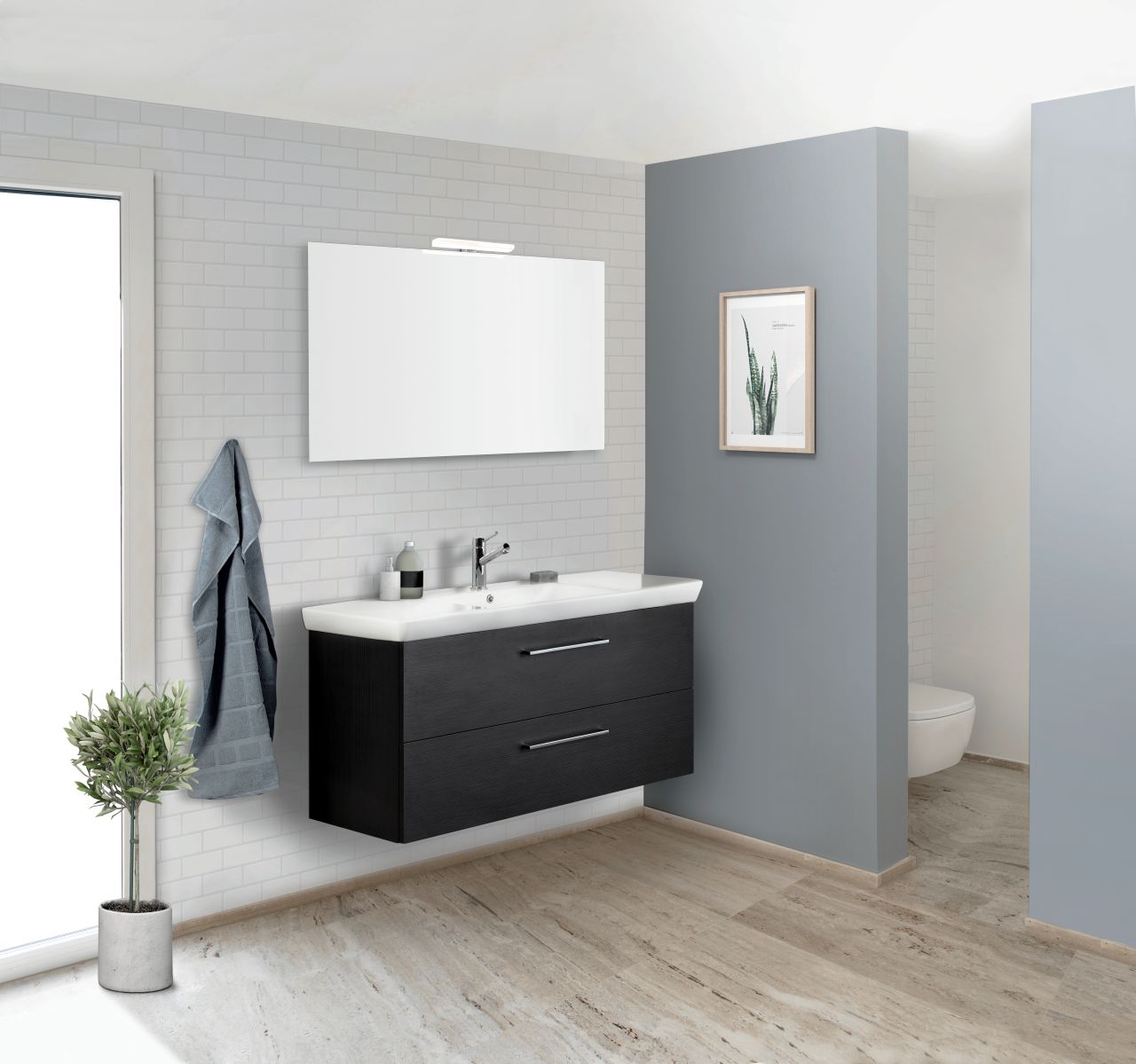
Understanding the WC Mirror
A WC mirror is an essential component in any bathroom or restroom, combining practicality with aesthetic appeal. While mirrors are often thought of as purely decorative, in a WC setting they serve important functional purposes. They allow users to check their appearance, assist with grooming, and enhance the perception of space. Modern WC mirrors are designed to meet a variety of needs, from simple reflective surfaces to integrated units that include lighting or storage.
Functionality in Everyday Use
The primary purpose of a wc mirror is functional. Whether in a public restroom, commercial facility, or private home, a mirror provides a reflective surface for tasks such as washing hands, adjusting clothing, or checking personal appearance. In high-traffic environments, mirrors also help maintain hygiene by allowing users to ensure cleanliness and personal grooming quickly. The mirror’s placement above a basin or sink is key to accessibility and practicality.
Enhancing Space and Light
Beyond functionality, WC mirrors play a significant role in the visual perception of a space. Bathrooms, especially those that are small or windowless, can feel confined. A strategically placed mirror can create the illusion of depth, making the room appear larger and more open. Additionally, mirrors reflect light, whether natural or artificial, improving visibility and contributing to a brighter, more welcoming atmosphere. In commercial or public WCs, this effect can enhance the overall experience for users.
Design and Styles
WC mirrors come in a wide range of designs to suit different environments and décor preferences. Frameless mirrors offer a clean, minimalist look that fits well with contemporary interiors, while framed mirrors can add a touch of elegance or traditional style. Some mirrors feature built-in LED lighting, providing even illumination for grooming tasks while adding a modern aesthetic. Others incorporate functional elements such as shelves, anti-fog coatings, or magnifying panels for specialized use. These variations allow WC mirrors to be tailored to both residential and commercial needs.
Materials and Durability
Durability is a crucial consideration for WC mirrors, particularly in public or high-use areas. High-quality glass ensures a clear, long-lasting reflection, while protective coatings can prevent corrosion, scratches, or fogging. Frames or mounting surfaces may be constructed from stainless steel, aluminum, or treated wood to withstand moisture and maintain structural integrity over time. Proper maintenance ensures that mirrors remain both functional and visually appealing.
Installation Considerations
The placement and installation of a WC mirror impact both usability and safety. Mirrors are typically mounted at eye level above sinks or basins to maximize convenience for users of various heights. In public or commercial settings, compliance with accessibility standards is essential to ensure that all individuals can use the mirror comfortably. Secure mounting is critical to prevent accidents and maintain long-term reliability.
Conclusion
A WC mirror is more than just a reflective surface; it is a functional, aesthetic, and practical feature that enhances the usability of any bathroom. By improving visibility, contributing to the perception of space, and supporting hygiene and grooming, a well-chosen mirror serves both practical and design purposes.